Here’s what you should know about what dental implants really feel like, what pain is normal, what sedation options exist, and what the recovery experience is usually like.

May 18, 2022
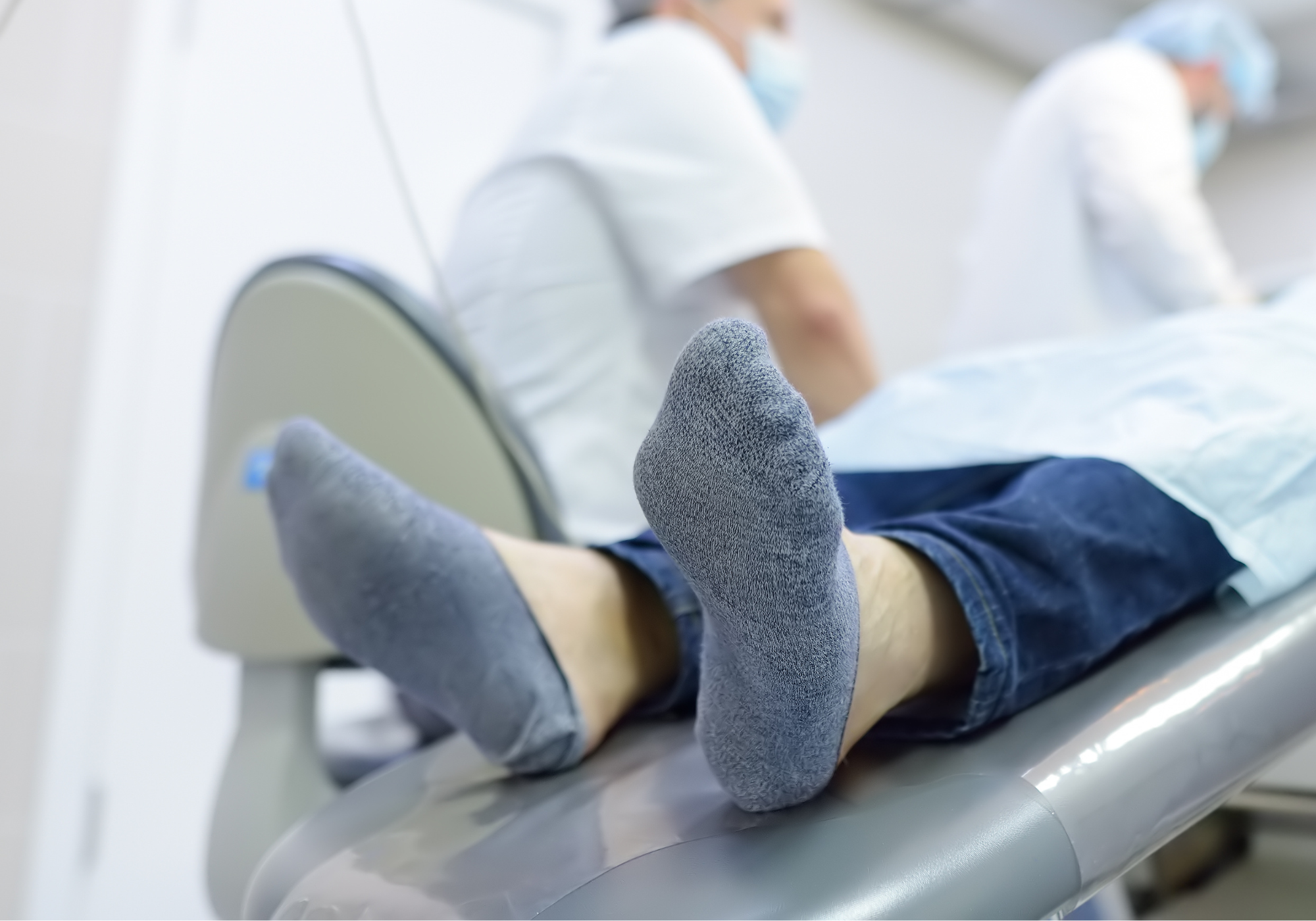
If you’re considering dental implants but feeling nervous, you’re not alone.
One of the most common questions patients ask us — before anything else — is:
“Do dental implants hurt?”
And the honest truth is: the idea of dental implants often sounds scarier than the actual experience.
Most patients in Huntington tell us they expected the procedure to be much more painful than it was. In reality, with modern techniques, proper planning, and comfort-focused care, dental implant treatment is typically very manageable.
Here’s what you should know about what dental implants really feel like, what pain is normal, what sedation options exist, and what the recovery experience is usually like.
During the procedure? No — you should not feel pain.
Dental implants are placed with anesthesia so you stay comfortable.
After the procedure? You’ll feel soreness, swelling, and tenderness — but most patients describe it as manageable.
A lot of patients compare it to:
Everyone’s experience is different, but severe pain is not what most implant patients report.
During implant placement, you may feel:
But you should not feel sharp pain.
If at any point you feel pain during the procedure, your team should address it immediately — because comfort is always the priority.
Most patients notice the most discomfort within the first few days.
By week two, many patients say they feel great — even though the implant is still healing internally.
Most implant-related discomfort comes from things around the implant — not the implant itself.
For example:
This is why a personalized treatment plan matters so much — it helps minimize irritation and keep healing smooth.
For many patients, implant recovery feels similar to — or easier than — a difficult extraction.
The reason is simple:
That said, every patient is different — but it’s common for people to say:
“That was way easier than I expected.”
If fear, anxiety, or sensitivity is holding you back, you’re not alone — and you do have options.
At our Huntington office, we focus on making implant dentistry as comfortable as possible.
Depending on your needs, sedation options may include:
This numbs the area completely. You’re awake, but the surgical site is numb.
Great for: patients who are comfortable with dental treatment and want the simplest option.
This helps reduce anxiety and makes you feel calm and drowsy.
Great for: patients who feel nervous, gag easily, or want a more relaxed experience.
Some patients prefer a deeper level of sedation so they remember very little (or none) of the procedure.
Great for: patients with strong dental anxiety or more complex treatment needs.
The right option depends on your health history, procedure type, and comfort level — and your dentist will help guide you.
First: you are completely normal.
A lot of Huntington patients come in after years of avoiding dental work because of fear, embarrassment, or bad past experiences.
If that’s you, here’s the good news:
Dental implants can actually be the “fresh start” that ends the cycle of:
And we can take the process one step at a time — at a pace you feel comfortable with.
Healing is usually smooth when patients follow simple aftercare steps:
- Ice during the first 24 hours (short intervals)
- Soft foods only at first
- Avoid chewing directly on the area
- Keep your mouth clean (as instructed)
- Take medications exactly as directed
- Rest and take it easy for a few days
Also — avoid smoking or vaping during healing, because it can increase complications and slow down recovery.
While mild to moderate soreness is expected, you should call the office if you experience:
Most concerns are easy to address when caught early — and your team would always rather you call than sit at home worrying.
When patients finally move forward with implants, we hear things like:
And the best part? Many patients say the fear of pain was the biggest obstacle — not the actual procedure.
If you’ve been asking yourself, “Do dental implants hurt?” and you want real answers based on your exact situation, we’re here to help.
At National Dental Implant Center of Huntington, NY, we’ll walk you through:
- Schedule your free dental implant consultation today and get the clarity you need to move forward confidently.
.svg)

.svg)