Let’s break down what gum disease means for implant treatment, what can disqualify you temporarily, and what the safest path forward looks like.

May 18, 2022
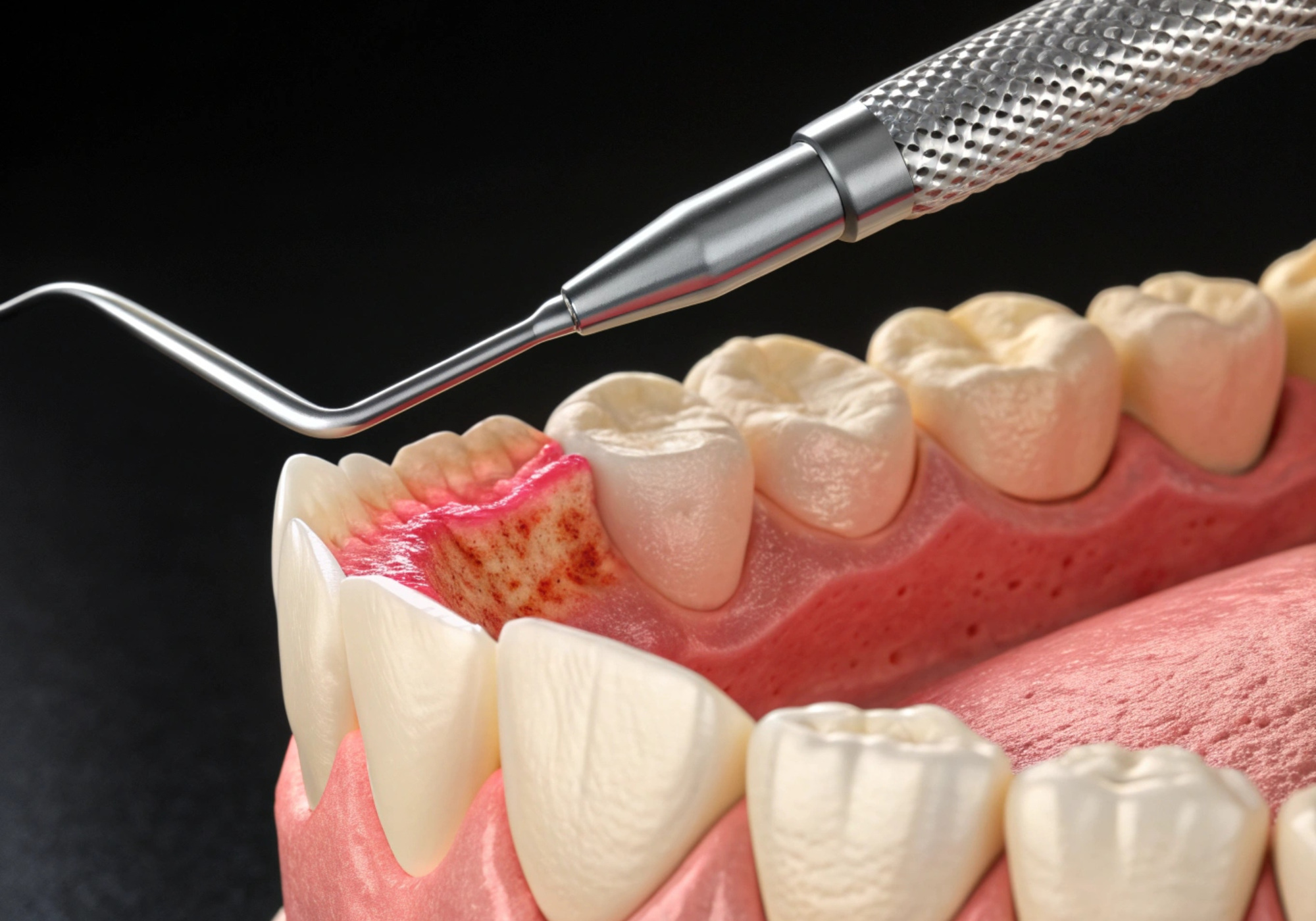
If you’ve been told you have gum disease — or you’ve noticed signs like bleeding gums, bad breath, or loose teeth — you may be wondering:
“Can I still get dental implants?”
This is one of the most common questions we hear from patients in Huntington, NY… and the good news is:
- Yes, many patients with gum disease can still get dental implants.
But the key is making sure the gum disease is properly treated and your mouth is stable first.
Let’s break down what gum disease means for implant treatment, what can disqualify you temporarily, and what the safest path forward looks like.
Gum disease is an infection and inflammation of the tissues that support your teeth.
It typically starts as gingivitis (early-stage) and can progress into periodontitis, which can cause:
Dental implants rely on healthy bone and healthy gum tissue to stay strong long-term — so active gum disease needs to be addressed before implants are placed.
Gum disease doesn’t automatically mean implants will fail — but untreated gum disease can increase the risk of complications.
One specific concern is peri-implantitis, which is an infection around a dental implant. It’s similar to gum disease, but it affects the tissues supporting the implant instead of a natural tooth.
This is why we never want to “rush” implants into an unhealthy foundation. The goal is long-term success, not quick fixes.
Many patients don’t realize they have gum disease until it becomes more advanced.
Common signs include:
If you’re experiencing any of these, it doesn’t mean you can’t get implants — it just means your evaluation needs to be done carefully.
If you have early-stage gum disease (gingivitis), you may still qualify for implants once it’s treated.
In many cases, mild gum disease can be improved with:
Once the gums return to a healthier state, implant planning can move forward more predictably.
If gum disease has progressed and caused bone loss or loose teeth, dental implants may still be possible — but your plan may involve additional steps first.
Depending on the situation, you may need:
For many Huntington patients with advanced gum disease, implants are actually the best long-term solution because they can replace failing teeth permanently and eliminate ongoing infection cycles.
If you have multiple compromised teeth from gum disease, fixing them one-by-one may not be the best path long-term.
Many patients reach a point where they’re tired of:
Full arch implants can be a fresh start — replacing failing teeth with a fixed, stable smile that lets you move forward.
The only way to know for sure is through a complete evaluation and imaging.
A proper consultation typically includes:
This helps confirm:
A lot of patients come in embarrassed or worried they waited too long.
But we see this all the time in Huntington: people who assumed they weren’t eligible for implants because their teeth and gums were in rough shape… and then discover they actually are candidates with the right plan.
The most important step is getting answers early, before problems get worse.
If you have gum disease and you’re considering dental implants, you don’t have to guess.
At National Dental Implant Center of Huntington, NY, we’ll evaluate your gum health, your bone support, and your best path forward — with a plan designed for long-term success.
Schedule your free implant consultation today and find out what’s possible for your smile.
.svg)

.svg)