If you’re missing most (or all) of your teeth — or you’re living with dentures that slip, shift, or limit what you can eat — full arch dental implants can be a life-changing solution.

December 24, 2024
If you’re missing most (or all) of your teeth — or you’re living with dentures that slip, shift, or limit what you can eat — full arch dental implants can be a life-changing solution.
Two of the most common treatments patients ask about are:
All-on-4 dental implants and All-on-6 dental implants.
And the biggest question we hear from Huntington patients is simple:
“Which one is better?”
The truth is, both options can deliver a secure, natural-looking smile you can eat, speak, and live confidently with. The best choice depends on your anatomy, goals, and how much long-term support your smile needs.
Here’s a clear breakdown to help you understand the difference.
All-on-4 is a full arch implant solution that replaces an entire upper or lower set of teeth using four dental implants placed strategically in the jawbone.
This option is often recommended for patients who want:
All-on-4 is especially well-known because many patients may qualify for same-day teeth, meaning you may be able to leave the office with a temporary set of teeth on the same day your implants are placed.
All-on-6 is similar in concept — it also replaces a full arch of teeth — but uses six dental implants instead of four.
The benefit of All-on-6 is that it can provide:
For some patients, All-on-6 may be the better choice when jawbone volume and anatomy allow for it, and when maximum reinforcement is the goal.
Both treatments can give you a complete, secure smile — but here’s what actually changes:
The most obvious difference is right in the name.
Adding implants can increase support, but it also requires the right bone structure and spacing.
Both options are extremely stable compared to dentures — but in some cases, All-on-6 offers additional reinforcement, especially for patients who:
That being said, All-on-4 has an excellent track record and is still a highly trusted solution for full arch restoration.
One major factor is how much bone you have available — especially in the back of the jaw.
All-on-4 is often designed to work well for patients with bone loss because implant placement can be angled and strategically positioned.
All-on-6 may require more bone availability depending on your anatomy and surgical plan.
Since All-on-6 involves more implants, it can sometimes cost more than All-on-4.
However, pricing depends on much more than the number of implants, including:
During a consultation, you’ll get a clear plan and transparent pricing based on your actual needs.
Here’s the honest answer:
Neither option is “better” for everyone.
The best solution is the one that fits your mouth, your bone, your health history, and your long-term goals.
- a secure full smile with fewer implants
- a streamlined approach
- a solution designed for many patients with bone loss
- a strong fixed alternative to dentures
- additional support and stability
- improved force distribution across the arch
- maximum reinforcement for long-term function
- the strongest foundation possible (when anatomy allows)
That’s extremely common — and it’s why a true implant consultation matters.
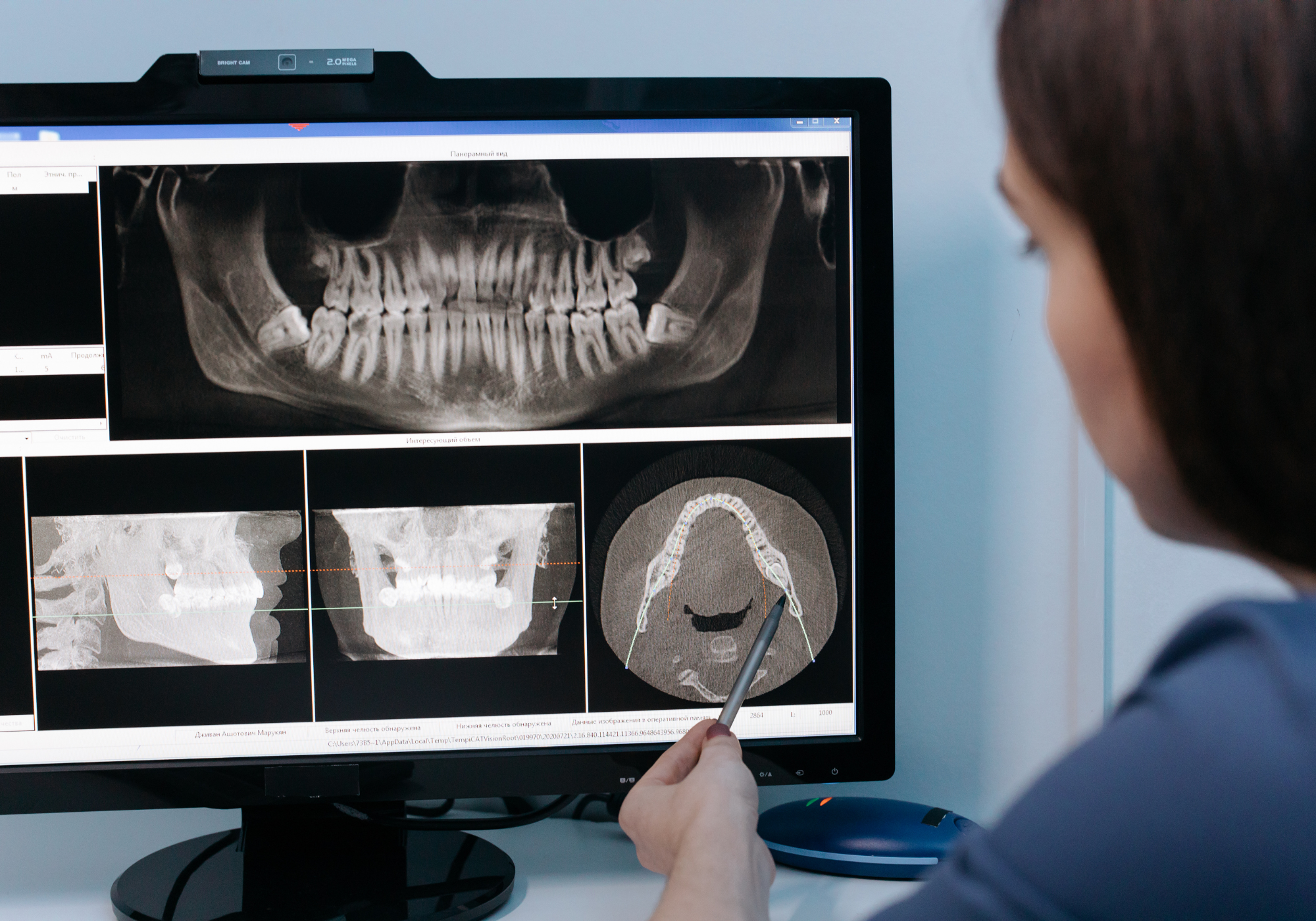
The only way to confidently choose between All-on-4 and All-on-6 is with:
Sometimes patients assume they need one option, but after imaging, the best plan becomes very clear.
Many patients in Huntington come to us after dealing with years of frustration from:
Full arch dental implants can restore more than just teeth — they restore comfort, stability, and quality of life.
Patients often tell us the biggest change isn’t even cosmetic… it’s being able to:
If you’ve been searching for All-on-4 vs All-on-6 dental implants in Huntington, NY, we’re here to help you understand your options and feel confident about your next step.
At National Dental Implant Center of Huntington, we’ll evaluate your needs, review your imaging, and recommend the solution that makes the most sense for your long-term health and comfort.
Schedule your free implant consultation today and find out whether All-on-4 or All-on-6 is the best fit for you.
.svg)

.svg)